How To Design And Create Successful Glazing Repairs Tips From Home


Glazing Repairs
Repairs to your glazing done quickly is vital to prevent the build-up of moisture that causes fogging and reduces energy efficiency. Fogged windows are usually the result of seals that are not properly sealed.
Glass is held in place by tiny metal clips, also known as glazing points made of wood or spring clips on metal. Holding your heat gun close to the putty used to "bed" glass will make it more pliable.
Cracked or broken glass
Broken or cracked glass is often the result of an intense storm or a lawnmowers' pebble that flies into the window, or glass vases that are dropped by the cat. Fortunately, minor cracks are often repaired without compromising the quality of the window's glass or its ability to keep in cold and heat or shield your property from weather conditions. Glass that has sustained more severe damage may require to be replaced or repaired by an expert.
For minor cracks, a simple strip of strong-hold tape could keep the damage from worsening. For deeper cracks such as stress fractures caused by fluctuating temperatures, you'll need extend the tape both sides a few inches beyond the crack. Glass repair film can be used as a permanent solution. It is designed to keep the window in place, and is cut to the size you require.
To ensure the best adhesion, clean the damaged glass thoroughly before applying any repairing products. Utilize a glass cleaner as well as an unclean rag to clean any residues or oily spots on the glass's surface, as well as in the cracks. For stubborn spots of dirt or oil, acetone (the ingredient in nail polish remover) can be applied to the rag and rubbed into the glass to break down the dirt.
Once the glass is fully dry, you can begin preparing for the application of your chosen repairing substance. It is crucial to mix equal amounts of resin and hardener prior applying the epoxy to ensure a balanced mix. Apply the epoxy or glass adhesive to the crack, using a putty knife to work it in and around the cracks. Once the adhesive is pressed into the cracked glass, cut off any excess using a razor or a rag that has been soaked in Acetone.
If the cracks are extensive the window may need to replace the entire window. Clean the window frame and measure the window to make sure the new window pane is an ideal fit. When replacing a damaged or damaged window pane, you should opt for tempered glass if possible. This type of toughened glass is safer to handle in the event of a fracture, since it shatters into smaller chunks rather than sharp jagged shards that could injure you or your loved ones.
Loose Compound
Glazing compound is required to secure the glass panes in older windows. This compound seals edges, dries out moisture and improves energy efficiency. As time passes, the putty may become loose. This is a sign that it is time to have the window re-fitted with fresh putty and the new glazing beads. It is important to replace any loose glazing compound as fast as you can in order to stop the loss of energy. Cracks, rattling panes, cracks in the putty glaze as well as separation between the glass and sash are other indicators that the window glazing should be re-glazed.
If you have a window that requires re-glazing, begin by thoroughly cleaning the sash with mineral spirits to eliminate loose paint and debris. After the sash is cleaned, you can remove any panel pins or nails which are securing the glass to the sash. Work carefully as these nails and pins can break if you are too rough.
After cleaning the sash, it's a good idea apply one or two coats of primer made from oil on the wood surface. This will protect the sash, and ensure that the putty is adhered to the wood in a proper manner. Allow the primer to dry as per the manufacturer's instructions after the priming.
Next you can lay the sash flat on the workbench and use a putty knife to remove the old glazing compound that has escaped. If you're having difficulty getting rid of the old glaze, you can use a heating gun with the attachment for a heat shield to soften the putty. Use the heat gun with care and make sure you wear eye and hand protection.
Then, you can prepare your sash for the new putty by rubbing it down with sandpaper to get rid of any rust or grit. Once the sash has been prepared to accept the new putty, use a small Hammer to gently tap in any window pins or nails that were holding the glass in the frame. This is vital as a stray hammer blow can break the glass and cause an issue for safety.
After the sash is coated with putty on it, use a putty knife to smooth it and create an even bead on the glass. Allow the putty to dry completely before installing your window. Be sure to remove all the loose glazing compound to create a weather-tight seal.
Shattered Glass
A storm that is severe, a baseball thrown by a child or even the debris of your lawnmowers could break your window glass. This is a hazardous accident that could cause injuries or property damage if not taken care of immediately. It is essential to secure off the area around a damaged window to shield your family and yourself from flying fragments. You can also put an object of cardboard or a partition to cover the damaged area. This will stop debris from getting into your home and causing injuries to people or pets.
Oftentimes, you can repair a cracked or shattered window yourself. It's a fairly easy task, but it requires careful focus on the details. You may be frustrated with your DIY project If you don't have the appropriate tools. You might decide to hire a professional.
Be sure to clean the area around your broken window thoroughly prior to beginning. Make use of a cleaning product to clean any dirt or grease that has accumulated in the window's cracks. It is also important to allow the damaged area to dry before you attempt any repairs. If possible, do this repair in warm weather.
Mix the epoxy required to fix the window after the window has been thoroughly cleaned. To ensure an effective mix, you must follow the directions provided by the manufacturer. You can buy these adhesives at many hardware stores. It is recommended that you mix the resin and the hardener together for about 20 seconds to ensure an effective bond. Once the mixture has been completed, you should apply it to the cracked glass.
Avoid touching the epoxy that has just been applied by your fingers. The marks may be difficult to remove. If you do come into contact with the epoxy, clean the area immediately with clean soap and water. It is also important to work in a well-ventilated area and wear nitrile or latex gloves.
If you cannot fix the glass that is damaged or cracked It could be necessary to replace the entire window. It's a costly fix, but it is worth the investment to ensure the security and safety of your family.
Replacement
It takes a lot of work to keep your windows in good condition. However, a few balls thrown by the children or pebble thrown up by the lawnmowers could break a window pane or two. Fortunately replacing the glass in the majority of kinds of windows is simple. If the frame is still in good shape it is possible to replace the damaged pane and save money in comparison to purchasing a new window for your home.
Most single pane windows are held in place with glazier's glue and small metal clips known as push points for glaziers. You can typically purchase a replacement glass cut to the size you need at your local hardware store or home improvement store. To ensure you're buying the right-sized piece, have the window pane you used to have with you.
After you have the glass, clean it on both sides with a damp cloth or sponge. You can also clean the glass using an easy solution that is made from water and cleaning soap. Once the glass is clean and you are ready to apply any modifications to it, ensure that it is dry. If there's any moisture left in the cracked or shattered area, your efforts to repair it will be futile.
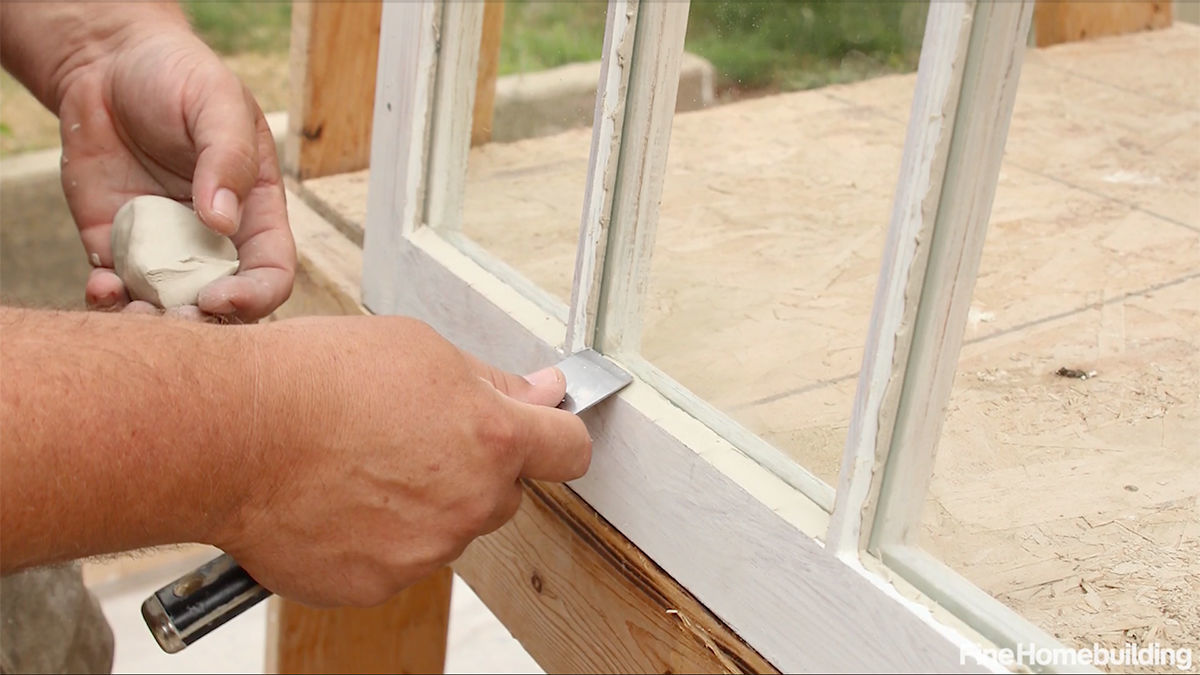
Next, remove the old glazing paste. You can do this with an instrument such as a screwdriver, or putty knife. However, you may need to use a utility blade and a tool that has sharp teeth to chip the putty. If the glaze is extremely hard to remove, a heat gun can assist in softening it. Be careful not to burn the wood or ignite a fire!
Then, repairmywindowsanddoors can prepare the surface that your new pane will sit on. If it's low e glass, you need to know which side to install the pane on. The majority of these windows come with an indicator that shows which side of the glass was designed to be oriented to face out or in. This is important because reversing the glass could cause it to behave the opposite of how it was designed to perform, which could let cold out and heat in. Be sure to read the directions given by the manufacturer.